
Can urinary models be used to teach about urinary tract obstructions?
As a supplier of urinary models, I've often been asked about the effectiveness of these models in educational settings, particularly when it comes to teaching about urinary tract obstructions. In this blog post, I'll explore the potential of urinary models as teaching tools for understanding this complex medical condition.
Urinary tract obstructions occur when there is a blockage in the urinary system, which can prevent the normal flow of urine. This can lead to a variety of complications, including kidney damage, urinary tract infections, and even kidney failure if left untreated. Understanding the causes, symptoms, and treatment of urinary tract obstructions is crucial for medical students, healthcare professionals, and anyone interested in learning about the urinary system.
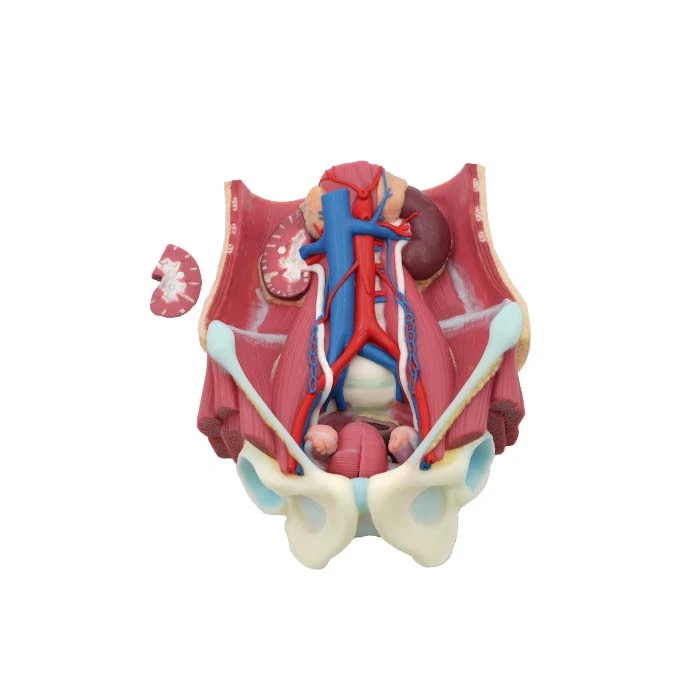
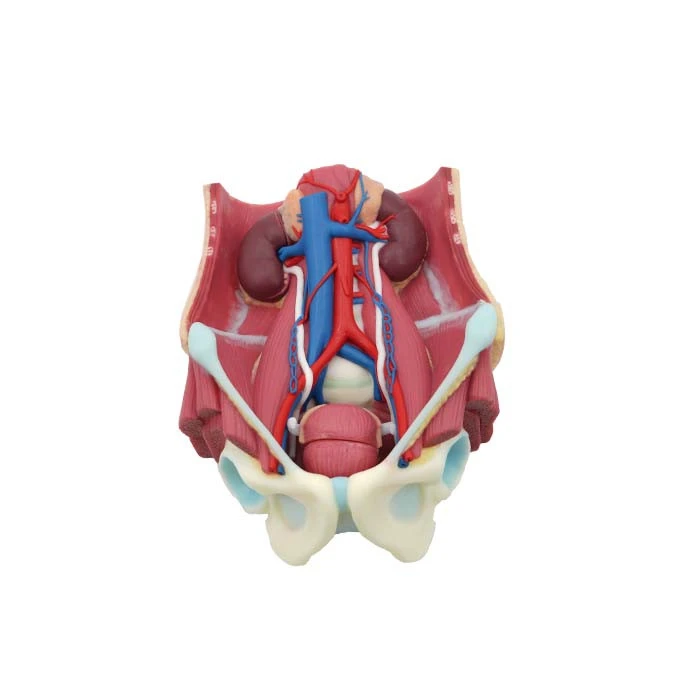
One of the key advantages of using urinary models for teaching about urinary tract obstructions is their ability to provide a visual representation of the urinary system. These models typically include detailed anatomical structures, such as the kidneys, ureters, bladder, and urethra, allowing students to see the location and function of each component. By using a model, students can gain a better understanding of how the urinary system works and how a blockage can disrupt its normal function.
For example, a urinary model can be used to demonstrate the different types of urinary tract obstructions, such as kidney stones, tumors, or strictures. By showing the location and size of the blockage, students can visualize how it affects the flow of urine and the potential consequences for the kidneys and other organs. This hands-on approach to learning can be much more effective than simply reading about urinary tract obstructions in a textbook or watching a video.
In addition to providing a visual representation of the urinary system, urinary models can also be used to simulate the effects of a urinary tract obstruction. Some models are designed to allow students to manipulate the flow of urine and create a blockage, which can help them understand how the body responds to the obstruction and how different treatment options work. For example, a model can be used to demonstrate how a catheter can be inserted to relieve a blockage or how surgery can be performed to remove a kidney stone.
Another advantage of using urinary models for teaching about urinary tract obstructions is their ability to engage students and make learning more interactive. By allowing students to handle the model and manipulate the flow of urine, they can become more actively involved in the learning process and retain the information better. This can be particularly beneficial for students who are visual or kinesthetic learners, as they may find it easier to understand complex medical concepts when they can see and touch them.
Furthermore, urinary models can be used in a variety of educational settings, including classrooms, laboratories, and clinical training programs. They can be used as part of a lecture or demonstration, or they can be used in small group activities or individual study. This flexibility makes them a valuable tool for educators who want to provide a comprehensive and engaging learning experience for their students.
However, it's important to note that urinary models are just one tool in the teaching arsenal, and they should be used in conjunction with other teaching methods, such as lectures, discussions, and clinical experiences. While models can provide a valuable visual representation of the urinary system and urinary tract obstructions, they cannot replace the real-world experience of working with patients.
In conclusion, urinary models can be a valuable tool for teaching about urinary tract obstructions. They provide a visual representation of the urinary system, allow students to simulate the effects of a blockage, and engage students in the learning process. By using urinary models in conjunction with other teaching methods, educators can provide a comprehensive and engaging learning experience for their students and help them develop the knowledge and skills they need to diagnose and treat urinary tract obstructions.
If you're interested in learning more about our urinary models or other [related models like the ones below], please visit our website. We offer a wide range of high-quality anatomical models, including the Female Reproductive System Anatomy Model, the Female Genital Anatomy Model, and the Silicone Anatomy Model. Our models are designed to be accurate, durable, and easy to use, making them ideal for educational and training purposes.
If you have any questions or would like to discuss your specific needs, please don't hesitate to contact us. We're here to help you find the right model for your educational or training program and to provide you with the support and resources you need to make the most of your investment.
References
- Guyton AC, Hall JE. Textbook of Medical Physiology. 12th ed. Philadelphia, PA: Saunders; 2011.
- Boron WF, Boulpaep EL. Medical Physiology: A Cellular And Molecular Approach. 2nd ed. Philadelphia, PA: Saunders; 2009.
- Koeppen BM, Stanton BA. Renal Physiology. 5th ed. St. Louis, MO: Mosby; 2013.


